



机械员培训内容(机械员培训总结)
 1人看过
1人看过
机械员培训内容
Mechanical technician training serves as a cornerstone for industrial safety, operational efficiency, and equipment longevity. In the modern manufacturing landscape, the role of a mechanical technician has evolved from simple repair tasks to strategic system management. These professionals are responsible for inspecting, maintaining, and troubleshooting machinery across diverse sectors such as automotive, agriculture, construction, and logistics. Their expertise directly impacts production output and product quality. Training programs must therefore equip candidates with a blend of theoretical knowledge and hands-on skills. This includes understanding mechanical principles, digital automation systems, and safety protocols. A rigorous curriculum ensures technicians can adapt to evolving machinery technologies. The industry demands technicians who can diagnose complex issues, predict potential failures, and implement maintenance schedules that minimize downtime. Furthermore, continuous learning is essential as new technologies like industrial IoT and predictive analytics transform traditional mechanical roles into more data-driven positions. Effective training bridging these gaps allows firms to retain skilled labor and innovate, creating a competitive edge in the market. Ultimately, a well-structured training program transforms raw mechanical talent into a strategic asset that drives organizational success.
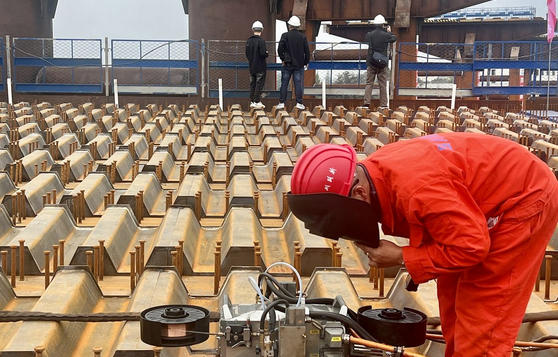
新手入门:从理论到实操的完整路径
掌握机械员技能的第一步
To succeed as a mechanical technician, candidates must first establish a solid foundation in mechanical principles and engineering theory. Before engaging in practical work, individuals should focus on core subjects such as thermodynamics, fluid mechanics, and machinery mechanics. These fundamentals explain how machines function under various conditions and provide the logical framework for troubleshooting. Understanding these concepts allows technicians to approach problems systematically rather than relying solely on intuition. For example, knowing how a pump operates ensures that a technician can identify the correct leak or obstruction instead of guessing blindly.
- 夯实理论基础
深入研读机械原理、液压与气动技术,理解能量转换机制。这些知识是诊断设备故障的关键钥匙。 - 熟悉常用工具与测量设备
熟练掌握万用表、游标卡尺、测力计等专业工具,学会规范使用。 - 掌握机械制图基础
能够识读并绘制简单的机械图纸,理解零件结构与装配关系。
实操核心:故障诊断与维护技能
实战演练是检验培训成果的关键环节
实战演练是检验培训成果的关键环节
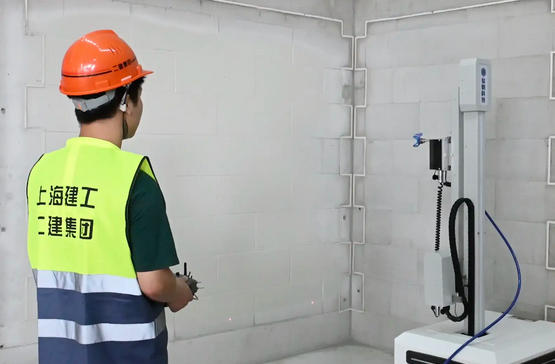
After establishing theoretical knowledge, the focus shifts to practical, hands-on skills. This phase involves simulating real-world scenarios in a controlled workshop environment. Candidates will be tasked with identifying faults, selecting appropriate repair methods, and performing maintenance tasks. Learning to use diagnostic software is becoming increasingly critical, as many modern machines rely on electronic control systems that technicians must interpret. This requires a deep understanding of sensors, actuators, and control algorithms.
- 学习专业诊断软件
掌握 CAD 软件、PLC 编程基础及专用故障诊断系统的使用。 - 实操技能训练
在模拟设备上练习拆装、润滑、调整及常规保养操作。 - 安全规范灌输
严格执行“三不”原则,杜绝因操作不当引发安全事故。
行业前沿:智能化与数字化转型
拥抱新时代的技术趋势
Mechanical technicians are no longer just hands-on fixers but are becoming the bridge between human ingenuity and digital automation. The industry is rapidly adopting Industry 4.0 technologies, and technicians play a pivotal role in this transformation. Proficiency in digital twins, predictive maintenance software, and networked control systems is now a competitive advantage. This evolution requires a continuous learning mindset, where candidates stay updated on the latest advancements in robotics, AI-driven diagnostics, and digital integration.
- 学习数字孪生技术
了解虚拟仿真技术如何辅助现场调试与故障模拟。 - 掌握大数据分析
利用历史运行数据优化维护策略,从“事后维修”转向“预测维修”。 - 适应柔性制造需求
熟悉多品种、小批量的生产环境下的快速响应能力。
职业素养:沟通与终身学习
技术与软实力的完美融合
The role of a mechanical technician extends beyond technical competence; it demands strong communication skills and a commitment to lifelong learning. Effective collaboration with engineers, operations managers, and other departments is crucial for resolving complex issues. Furthermore, the field changes constantly, so technicians must be self-taught and open to new technologies. Firms that invest in comprehensive training programs see higher retention rates and improved productivity. By fostering a culture of continuous improvement, companies ensure their workforce remains relevant and capable of handling emerging challenges in an ever-evolving industrial ecosystem.
总的来说呢
总的来说呢:赢家是善于学习的人
In conclusion, becoming a proficient mechanical technician requires dedication, rigorous training, and a passion for continuous improvement. The path from theory to mastery is gradual, demanding patience and a willingness to embrace change. As the industry progresses, the demand for skilled technicians will only grow, making the right training and ongoing development essential for career success. For those eager to enter this rewarding field, the journey begins with a clear understanding of their role and the commitment to mastering both traditional and modern skills.
 14 人看过
 9 人看过
9 人看过
 8 人看过
8 人看过
 8 人看过
8 人看过